
NEWS
Darkness Returns as Nigeria’s Power Grid Collapses Again

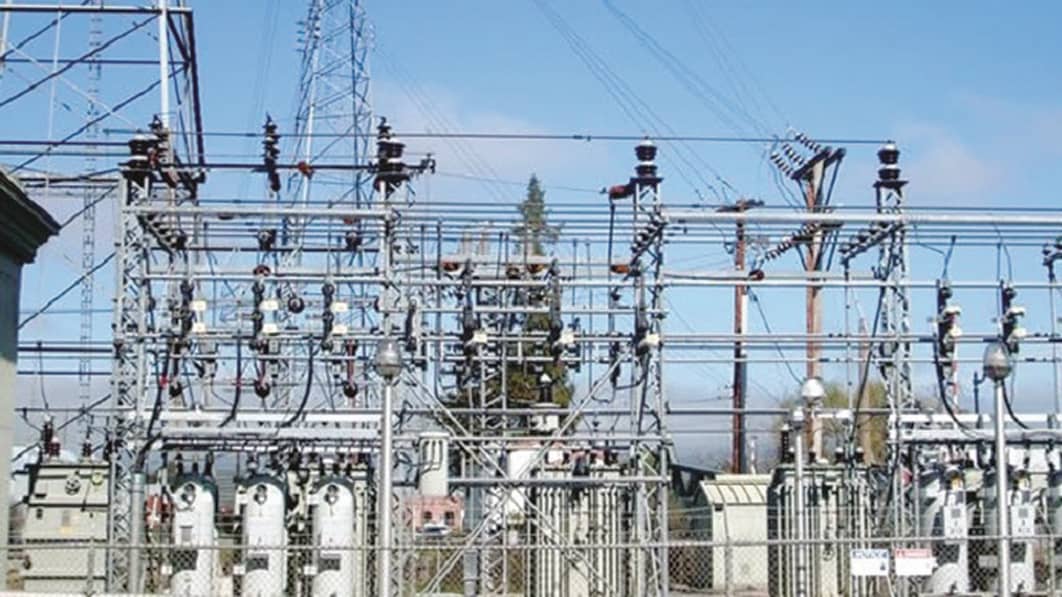
Nigeria’s electricity grid collapsed on Friday afternoon, cutting power supply nationwide after generation and load allocation dropped to zero across all distribution companies, according to data from the Nigerian Independent System Operator.
The system failure occurred at about 1 pm, when electricity allocation to all electricity distribution companies fell to zero. Data from the grid operator showed that power generation plunged to zero megawatts, triggering a total shutdown of supply across the country.
A review of the national distribution load profile at the time of the incident indicated that all distribution companies, including Abuja, Eko, Benin, Enugu, Ibadan, Ikeja, Jos, Kano, Kaduna, Port Harcourt and Yola, recorded zero load, confirming a nationwide outage.
The collapse followed reports by grid operators of strong electricity demand in major urban centres earlier in the day. Before the failure, Abuja Electricity Distribution Company (AEDC) was receiving about 639 megawatts, while Ikeja Electric was allocated approximately 630 megawatts, reflecting high demand across key cities.
Checks later in the afternoon showed that electricity generation dropped sharply from over 4,500 megawatts to as low as 24 megawatts by about 1:30 pm.
All 23 power generation plants connected to the national grid reportedly lost output during the incident, resulting in zero power allocation to each of the 11 electricity distribution companies.
As of the time of filing this report, the Transmission Company of Nigeria (TCN), which manages the national grid, had yet to disclose the cause of the collapse.
Although restoration efforts were said to be ongoing, the timeline for full recovery remained unclear. Attempts to reach officials of the company for immediate comment were unsuccessful.
The incident marks the first recorded collapse of the national power grid in 2026. It comes barely weeks after a similar failure on December 29, 2025, which also led to widespread power outages across the country.
In recent years, grid collapses have been attributed to a mix of technical faults, inadequate maintenance of transmission infrastructure and fluctuations in generation capacity.
Stakeholders have continued to urge the government and power sector operators to strengthen contingency measures to prevent repeated system failures.


-

 ENTERTAINMENT1 year ago
MrCoins Unleashes Afrobeat Fury With Latest Single “Ayo”
-
 POLITICS1 year ago
APC Cries Foul As PDP Clears Osun LG Poll
-

 NEWS11 months ago
Zamfara Governor Accused of Waging Political War Against Tinubu, Matawalle
-

 POLITICS8 months ago
2027 Elections: Political group, PCAI backs Senator Yayi’s governorship ambition
-
NEWS7 months ago
NELFUND Disburses ₦6.9m Loan to Aviation University Students
-

 SPORTS1 year ago
Arsenal Must Sack Mikel Arteta After West Ham Loss, His Time is Up
-
 POLITICS1 year ago
June 12: IBB’s Apology Is Acceptable, by Tonnie Iredia
-

 METRO9 months ago
Abiodun Constitutes Pension Funds Management Committees, Lauds Labour for Suspending Strike